

This is the moment to break Iran’s resistance, force an agreement on American and Israeli terms, and finish the war on the ground of our choosing. We do that by seizing and squeezing Iran’s chokepoint
General Yoav Gallant – The Defense Memo
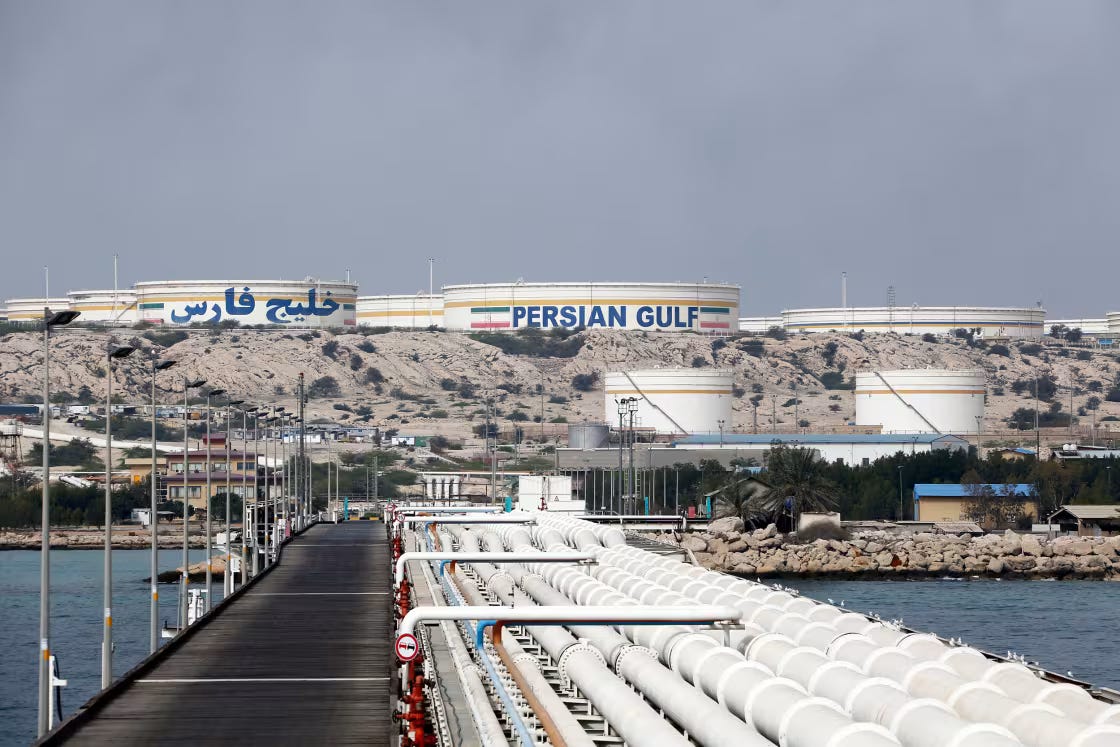
The U.S.-Israeli war against Iran has already achieved extraordinary military results. The regime’s supreme leader is dead. Its nuclear infrastructure is damaged. Its missile production has been severely degraded. Its command structure is fractured. Across every major military objective, decisive progress has been made.
And yet, Iran has found a way to fight back. How? By closing the Strait of Hormuz, and shifting the battlefield from military targets to the global economy.
Roughly 20 percent of the world’s oil and a significant share of liquefied natural gas pass through that narrow waterway. Iran brought traffic to a near standstill not with formal naval blockade, but via selective drone strikes on tankers, the threat of mines and anti-ship missiles, and the resulting collapse of insurance coverage. Tanker movement has dropped by more than 90 percent. Brent crude has surged to as much as $120 a barrel. One of the largest disruptions to global energy supplies since the 1970s is now underway.
This was a predictable move. Iran has threatened to close the Strait for decades, and the logic was always clear: If the regime is struck hard enough, it will use its geographic position to inflict economic pain on the entire world. The question was never whether Iran would try. The question is what we should do about it.
When military commanders assess a situation, they examine three things: the environment, the enemy’s capabilities, and their own.
First, the environment. The Strait of Hormuz is narrow, crowded, and now likely partially mined, especially in areas near the Gulf States. That means tankers are pushed into a tighter navigational lane closer to the Iranian side, within easier range of missiles, drones, and fast attack craft.
Second, the enemy. Iran can employ a layered mix of threats along nearly 100 miles of coastline: naval mines, explosive boats, cruise and coastal anti‑ship missiles, ballistic missiles, and unmanned aerial systems launched from the shore and from depth inside its territory. Even if many of these systems are degraded, enough will remain to keep any transit under constant threat.
Third, our own capabilities. The ships that transit the Strait are enormous commercial vessels with civilian crews. The fundamental question is not only whether the United States and its allies can reduce the threat they face, but whether shipping companies will accept the risk, and whether captains and crews will be willing to sail. One strike is enough to stop traffic. The crews will refuse to board. The insurers will hesitate or withdraw. The companies will refuse the liability. This risk alone has been sufficient to halt the flow.